开放时间闭馆
|星期二, 九月 15, 2026Alemdar, Yerebatan Cd., 1/3, 34110 Fatih, İstanbul, Türkiye
返回 history
architecture
Spolia in the Basilica Cistern: Reused Marble Columns Explained
Why Byzantine builders reused ancient Greek and Roman columns — aesthetics, logistics, symbolism.
12/16/2025
11 min read
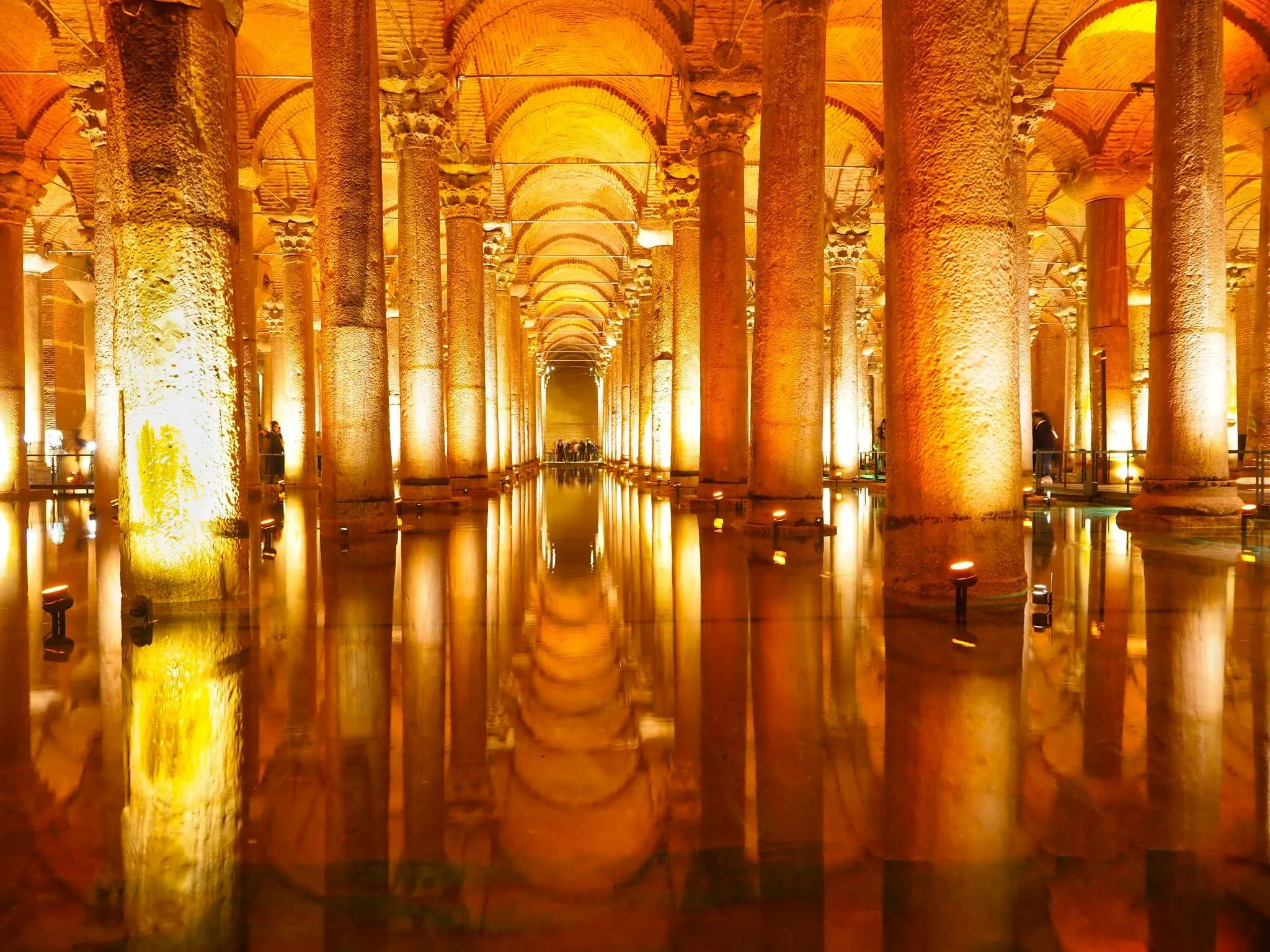
Quick take: The cistern’s 336 columns include spolia — reused elements from ancient temples — creating a museum of styles beneath Istanbul.
Overview
- Spolia means reusing earlier architectural elements.
- In the cistern: marble shafts, bases, capitals from Greek and Roman sites.
- Result: a patchwork of orders (Doric, Ionic, Corinthian) echoing centuries of craft.
Why Reuse?
- Logistics: faster sourcing than quarrying new stone.
- Economy: cost-effective for a mega-project.
- Symbolism: continuity — the new capital embracing classical heritage.
| Reason | Benefit | Example |
|---|---|---|
| Speed | Quick build timelines | Ready-made shafts |
| Cost | Lower quarry demands | Reused bases |
| Meaning | Legacy on display | Mixed capitals |
How to Spot Spolia
- Mismatched capitals and inconsistent fluting.
- Tooling marks or icon fragments.
- Bases with unique carvings or wear patterns.
Tip: Use a pocket light at an angle to reveal fine relief.
Conservation Notes
- Stabilize joints without over-cleaning historic surfaces.
- Avoid aggressive polishing that erases tool marks.
FAQ
- Were all columns reused?
- Not all, but many; the mix defines the cistern’s character.
- Is spolia common?
- Yes in Late Antiquity and Byzantium, especially in capitals.

Bottom Line
The cistern doubles as a gallery of recycled antiquity — practical and poetic — amplifying the site’s layered history.
关于作者

Istanbul Planner
我撰写此文,愿你以平静、脉络与关照走进地下水宫——让砖、水与时间在微光中清晰地说话。
Tags
Basilica Cistern
spolia
marble columns
Roman
Greek
Comments (0)
Leave a Comment
Loading comments...